
Why Going to Church Still Matters in a Changing World
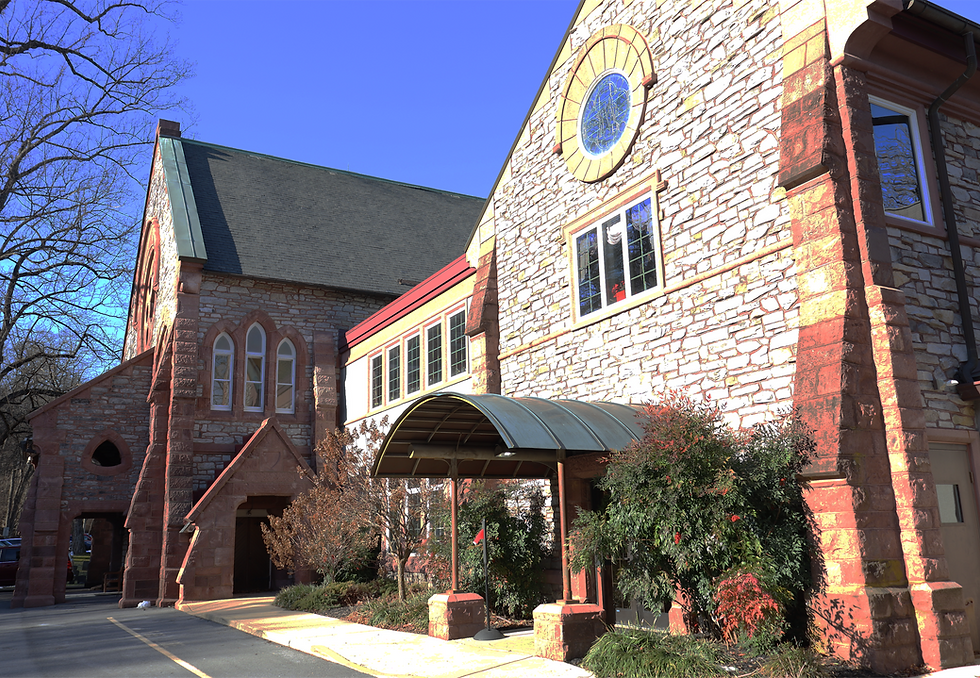
For generations, Cornwall United Methodist Church has stood as a place of worship, fellowship, and service in the community. Yet in an age of constant digital connection, busy schedules, and growing individualism, many people quietly wonder whether going to church still matters. The answer is not only yes, but perhaps now more than ever. Going to church remains a vital practice for spiritual growth, emotional health, moral grounding, and meaningful community connection. It is not about obligation or routine; it is about transformation, belonging, and living out faith together.
Going to Church as a Foundation for Spiritual Growth
At its core, going to church provides a structured and intentional space to grow spiritually. Faith is not something that thrives in isolation. While personal prayer and private reflection are important, Christian faith has always been lived out in community. When people gather to worship, pray, and learn together, they are reminded that faith is not just a personal belief system but a shared journey.
Weekly worship helps center hearts and minds on God in a world filled with distraction. Scripture readings, sermons, and communal prayer invite people to wrestle with life’s deepest questions: purpose, forgiveness, hope, and love. Over time, going to church shapes how people see themselves, others, and the world. It offers spiritual nourishment that cannot be fully replicated through podcasts, livestreams, or solitary study.
Going to Church Builds Genuine Community and Belonging
One of the most powerful reasons going to church matters is the sense of belonging it creates. Many people today experience loneliness even while being constantly connected online. Church offers something different: face-to-face relationships rooted in care, accountability, and shared values.
When people go to church regularly, they become part of a spiritual family. They celebrate joys together, mourn losses together, and walk through life’s challenges side by side. This kind of community is not transactional or superficial. It is built over time through shared worship, service, and conversation. At Cornwall United Methodist Church, going to church means being known, valued, and supported, not just attending an event.
Going to Church Anchors Life in Times of Difficulty
Life inevitably brings hardship. Illness, grief, financial stress, relationship struggles, and uncertainty touch everyone at some point. Going to church provides a steady anchor during these seasons. Worship services remind people that they are not alone and that God’s presence remains even in suffering.
Being part of a church community means having people who pray with you and for you, who show up during hard moments, and who offer practical and emotional support. The rhythms of worship and the promises found in Scripture can bring peace when answers are unclear. In times of crisis, going to church often becomes not just meaningful, but essential.
Going to Church Shapes Moral and Ethical Living
In a world where values often shift based on trends, opinions, or convenience, going to church offers a consistent moral compass. Through preaching, teaching, and example, church helps individuals reflect on how their faith informs their daily decisions. It challenges people to live with integrity, compassion, humility, and justice.
Church is not about moral perfection. It is about honest reflection and growth. When people gather to hear God’s Word, they are invited to examine their lives, seek forgiveness, and commit to living more faithfully. Going to church encourages accountability, not through judgment, but through grace and shared commitment to following Christ.
Going to Church Connects Faith to Everyday Life

Faith is not meant to stay within church walls. Going to church helps bridge the gap between belief and action. Worship services inspire people to carry God’s love into their homes, workplaces, schools, and neighborhoods. Sermons often address real-life issues, helping individuals see how faith applies to relationships, work, parenting, and community engagement.
At Cornwall United Methodist Church, going to church means being equipped to live out faith beyond Sunday morning. It encourages service, generosity, and compassion in tangible ways. Faith becomes something lived, not just believed.
Going to Church Strengthens Families Across Generations
Going to church plays a crucial role in nurturing faith across generations. Children, youth, adults, and seniors each benefit from being part of a worshiping community. For children and teenagers, church provides moral grounding, positive role models, and a sense of identity rooted in faith rather than cultural pressure.
For adults, going to church offers guidance, renewal, and a place to ask hard questions. For older adults, it provides continued purpose, connection, and opportunities to mentor others. When families go to church together, they share spiritual experiences that strengthen relationships and create lasting traditions centered on faith.
Going to Church Encourages Service and Compassion
A vital expression of Christian faith is service to others. Going to church connects people to opportunities to serve both locally and beyond. Whether through outreach programs, mission projects, or acts of kindness, church invites individuals to participate in God’s work in the world.
Service becomes more meaningful when done in community. Going to church helps people move from good intentions to collective action. It reminds believers that faith is not only about worship, but also about loving neighbors, caring for the vulnerable, and seeking justice.
Going to Church Provides Hope in Uncertain Times
The world often feels uncertain and overwhelming. News cycles are filled with conflict, division, and fear. Going to church offers a countercultural message of hope. Worship lifts eyes beyond immediate circumstances and points to God’s enduring promises.
Through hymns, prayers, and Scripture, church proclaims that love is stronger than fear and that hope is not lost. Going to church helps people remember that their lives are part of a larger story shaped by God’s grace. This hope sustains individuals not just emotionally, but spiritually.
Going to Church Is About Presence, Not Perfection
One common reason people hesitate to attend church is the belief that they must have everything figured out or be spiritually perfect. Going to church, however, is not about having all the answers. It is about showing up honestly, just as you are.
Church is a place for questions, doubts, and growth. It welcomes people at every stage of faith. Going to church allows individuals to be part of a community that embraces grace rather than perfection, offering space to grow and heal together.
Going to Church Strengthens the Local Community
Beyond personal benefits, going to church strengthens the broader community. Churches often serve as centers for outreach, support, and connection. They bring people together across backgrounds, generations, and experiences, fostering unity in a divided world.
Cornwall United Methodist Church plays an important role in the local community by offering a place where faith, service, and compassion intersect. When people commit to going to church, they contribute to something larger than themselves, helping build a healthier, more caring community.
Going to Church Is a Meaningful Investment in Life and Faith
Ultimately, going to church matters because it shapes who we are becoming. It influences how we love, forgive, serve, and hope. It offers spiritual grounding in a fast-paced world and reminds us that life is about more than individual success or comfort.
Going to church is not simply a habit from the past. It is a meaningful, life-giving practice that continues to transform lives today. At Cornwall United Methodist Church, going to church means encountering God, connecting with others, and being sent out to live with purpose and compassion. For those seeking deeper faith, authentic community, and enduring hope, going to church still matters—and always will.


Comments